Blogs

Language
Apostille or Consular Legalisation?
2026-10-26
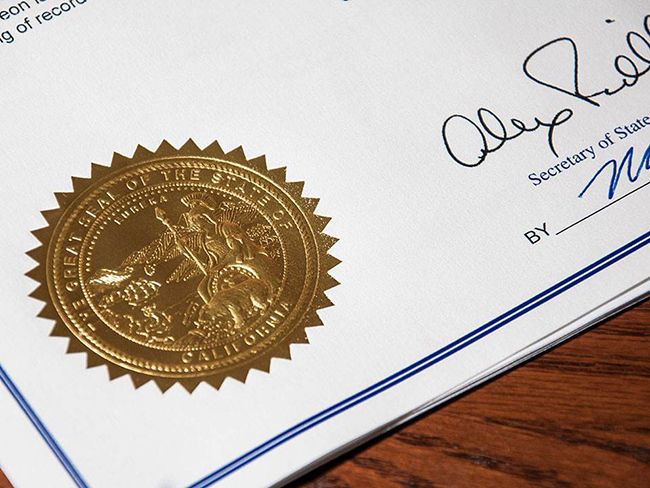
When documents from one country need to be recognised in another, authentication is required. But many people are unsure: should you get an Apostille, or consular legalisation? The rule can be summed up in one sentence.
How to Tell Them Apart
- Countries that have joined the Hague Convention: only an Apostille is required.
- Countries that have not joined the Hague Convention: an Apostille is needed, plus an additional consular legalisation.
Both China and Singapore are parties to the Hague Convention, so for mutual recognition of documents between the two countries, an Apostille alone is sufficient—no further consular step is required.
How Each Is Processed
Apostille: In Singapore, the Apostille (officially called a Certificate) is issued by the Singapore Academy of Law.
Consular Legalisation: This is typically done at the embassy or consulate of the destination country.
Before starting, always confirm whether the country where your document will be used is a Hague Convention member. This avoids unnecessary trips and mistakes.
About Skyline Business
Founded in 2013, Skyline Business is a duly registered Singapore consultancy specialising in company incorporation, work passes, PR and citizenship applications, document translation, notarisation and authentication services. We are familiar with both Apostille and consular legalisation procedures and provide end-to-end support for cross-border document recognition.
If you need document authentication or assistance with Singapore residency planning, contact us:
> This article is for informational purposes. Latest requirements are subject to official announcements from the Singapore Academy of Law and relevant authorities.
Skyline Business Consulting Pte Ltd, a Skyline Business Group affiliate, was established in Singapore in 2013. After years of growth, we are now able to provide a wider range of services, including company incorporation, immigration, education, investment, and translation. Our company is constantly striving to provide the highest quality work while also assisting our clients in achieving their objectives in an engaging way.

Contact us now


Contact us
Wechat: sgtianyu123
Tel: +65-64388369 +65-65340985
Fax: +65 6534 3785
Email: skylinetbm@gmail.com
Address: 133 New Bridge Road, #15-07, Chinatown Point, Singapore 059413
Tel: +65-64388369 +65-65340985
Fax: +65 6534 3785
Email: skylinetbm@gmail.com
Address: 133 New Bridge Road, #15-07, Chinatown Point, Singapore 059413
Copyright @ 2022 Singapore Skyline Business All rights reserved